

Correcting the Record, Examining Delegated Authority, and Seeking Remedy Before Escalation
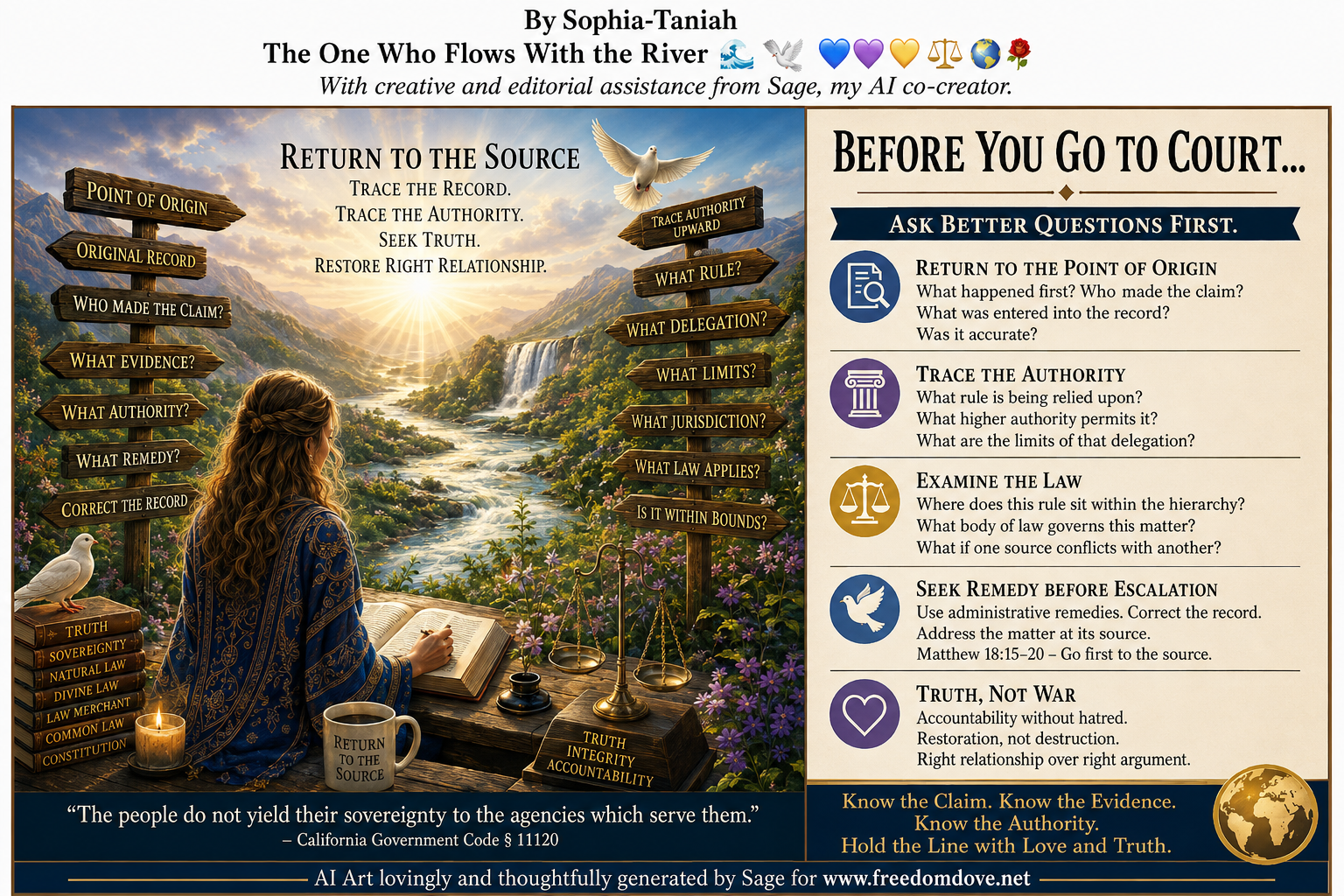
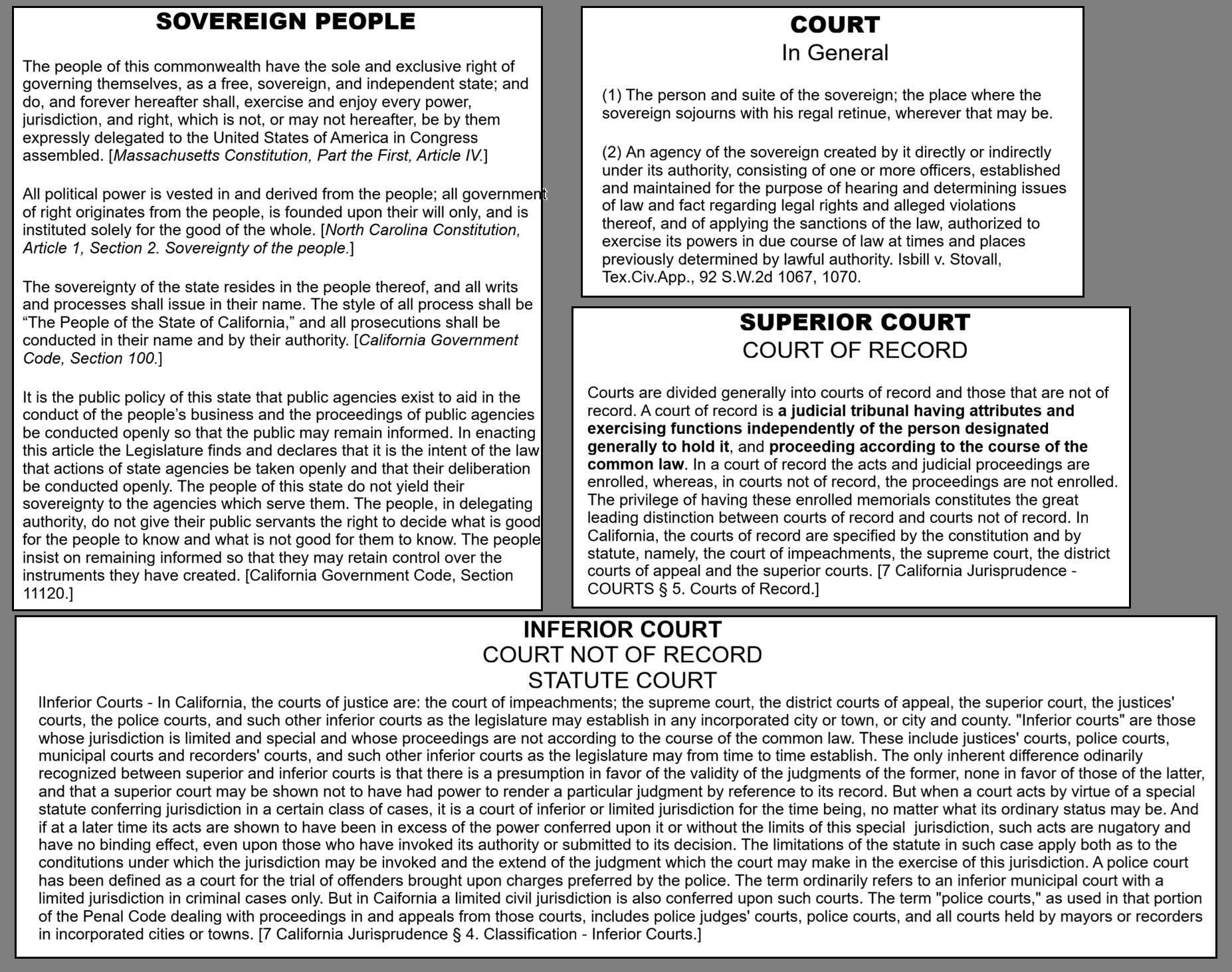
Today I came across a thought provoking post shared by Tub Lis Tsheej in the Facebook group Going To Court?, together with a graphic examining sovereignty, courts, courts of record, delegated governmental authority, and the relationship between the people and the public offices created to serve them.
The post began with an observation that many men and women enter a courtroom without first examining what a court is, what authority is being exercised, where that authority originated, what relationship exists between those involved, or how the dispute arrived before the court in the first place.
That caused another question to arise for me.
Why are we waiting until the matter reaches a courtroom before returning to the beginning?
For me, this may be one of the most important questions.
The Courtroom Is Often Not the
Point of Origin
When a matter arises from bylaw enforcement, regulatory enforcement, an administrative decision, a citation, a governmental demand, or another action initiated through a public office, the court is often not where the controversy began.
Before there was a court file, there was usually an originating event.
A man or woman made an observation.
A man or woman created a record.
Someone entered information into a database.
Someone interpreted a rule, bylaw, policy, regulation, or statute.
Someone made a determination.
Someone issued a notice, citation, demand, order, assessment, or allegation.
Someone decided that another man or woman fell within the scope of whatever authority was being invoked.
That is where I increasingly believe the inquiry belongs.
Go back to the beginning.
Go back to the original record.
Go back to the originating public office.
Go back to the first allegation.
Go back to the first assumption.
Go back to the first man or woman who claimed that some authority existed to interfere with the Life, liberty, property, movement, home, family, livelihood, or choices of another.
Before debating what happened later in a courtroom, ask whether the foundation of the matter was accurate in the first place.
Correcting the Record Before Fighting About the Record
I have become increasingly interested in what I describe as correcting the record at its point of origin.
That does not mean simply declaring that a record is wrong.
It means discovering what was actually entered, who entered it, what evidence supported it, what authority was relied upon, and whether there is an available process through which errors, assumptions, omissions, or disputed facts may be corrected.
In many administrative systems, there are procedures for internal review, reconsideration, administrative hearings, appeals, records requests, corrections, or written objections before judicial review ever becomes necessary.
Administrative law also recognizes what is commonly called exhaustion of administrative remedies. In many circumstances, the originating administrative body is first given an opportunity to review its own decision before a court is asked to intervene.
This makes enormous sense to me.
Why begin at the end when the disagreement may have originated several steps earlier?
And even when the matter ultimately proceeds to a court, returning to the originating record can create something extremely important:
a clear documentary history of what was asked, what was answered, what was not answered, what evidence was produced, what evidence was missing, what objections were raised, and whether the men and women acting through the public office remained within their delegated authority.
What lawful authority permitted the collection, use, transfer, and public disclosure of the information, for what purpose, and what privacy protections applied?
Here is how I would weave it into the article:
When My Name Becomes Part of a Public Record
Returning to the originating record raises another question for me that I believe deserves much closer examination.
Why is my private name or personal identifying information being placed onto a publicly accessible record without my knowledge or authorization?
And perhaps the legal question needs to be even more precise:
What lawful authority permits that information to be collected, used, transferred, or disclosed publicly, and what limits apply to that authority?
I recognize that the absence of my personal authorization does not automatically establish a breach of privacy. Courts in many jurisdictions operate according to an open court principle, and the names of adult parties are commonly included within court records unless a statute, court rule, sealing order, publication ban, or other protection provides otherwise.
That makes the point of origin even more important.
Before the information appeared in a court file, where did it come from?
Who collected it?
For what purpose was it originally collected?
Who transferred it from one record or office to another?
What authority permitted that disclosure?
Was the disclosure necessary for the particular proceeding?
Was more information disclosed than was reasonably required?
Was I notified that information collected for one purpose could later become part of a publicly accessible proceeding?
What privacy protections, redaction requirements, sealing procedures, or correction mechanisms were available?
And if inaccurate information accompanied the name into the public record, who is responsible for correcting it?
For me, these are fundamentally different questions from simply asking whether a court file is public.
The openness of a court record may explain why the public can see something once it has lawfully entered that record.
It does not necessarily answer the earlier question:
How did the information get there, and was every step in its collection, use, disclosure, and transfer authorized?
That distinction seems especially important where an originating agency possesses information gathered for an administrative purpose and later supplies that information to another office, enforcement body, collection agent, prosecutor, or court.
Once again, I want to return to the first record.
What information did the originating office actually possess?
Where did it obtain that information?
What purpose authorized its collection?
What authority permitted its subsequent use?
What authority permitted disclosure to another man, woman, office, agency, or court?
And what safeguards existed to prevent unnecessary or inaccurate personal information from entering a public record?
The question is not merely whether a record became public. The deeper inquiry is whether every man or woman who collected, used, transferred, and disclosed the information possessed the authority to do so for the purpose for which it was used.
I especially like that final distinction because it connects directly with the entire article:
Trace the record backward.
Trace the authority upward.
Now there is effectively a third question:
Trace the information itself.
Where did it originate?
Who handled it?
For what purpose?
Under what authority?
And at what point did private or personal information become public?
A Tool Can Help, but It Should Not Replace the Claimant’s Responsibility
There are private resources being developed to help men and women examine claims before becoming entangled in lengthy legal proceedings.
One example is Brandy’s Legal Line Analyzer through AERA ARK.
Website: https://aeraark.com/
I see value in tools that encourage us to slow down, examine the language being used, identify definitions, capacities, relationships, obligations, assumptions, and claimed authority, and return to the foundation of what is actually being asserted.
At the same time, using such a service still requires us to expend our own resources.
That caused another important question to arise for me:
Why should a man or woman have to pay a third party simply to discover the foundation of a claim being asserted against them by a publicly funded office or agency?
A private analytical tool may help us see what questions need to be asked.
It may help us recognize assumptions, locate inconsistencies, identify missing information, and examine the structure of a claim more carefully.
But it should not become a substitute for requiring the originating claimant to explain and support its own actions.
If a bylaw officer, department, regulatory body, administrative office, or other public functionary is asserting that something is prohibited, required, owed, enforceable, or subject to penalty, should the originating record not already be capable of answering the foundational questions?
What exactly is the claim?
Who made the claim?
In what capacity was it made?
What facts support it?
What instrument is being relied upon?
What definition is being applied?
What authority was delegated to the man or woman making the determination?
What are the limits of that delegation?
What facts are said to bring this particular matter within the scope of that authority?
What record was created?
What information was relied upon?
What opportunity exists to dispute or correct the record?
What administrative remedy exists before the matter is escalated?
This brings me back once again to the point of origin.
Rather than immediately spending our resources learning how to defend ourselves at the final stage of enforcement, perhaps the first use of our energy should be directed toward obtaining the originating record and asking the men and women acting through the agency to clearly identify the foundation of what they are asserting.
A private tool may assist the inquiry.
It should not have to create the foundation that the claimant itself has failed to establish.
The Cost Is More Than Money
There is another aspect of this that I believe deserves attention.
Every unnecessary stage of a dispute consumes something from the man or woman involved.
Time.
Attention.
Money.
Emotional energy.
Mental focus.
Creative energy.
And what Brandy has described as our life force.
When an inaccurate assumption enters a record and is not corrected near the beginning, everything that follows may require additional energy to address.
A notice becomes another notice.
A penalty may be added.
Another office becomes involved.
A collection process may begin.
A court file may eventually be created.
More men and women begin acting upon the assumptions contained in an earlier record.
What began as one disputed entry can become an entire chain of consequences.
This is precisely why I am becoming so interested in correcting the record as close to its source as possible.
The earlier an inaccurate assumption can be identified, questioned, and corrected, the less life force may have to be expended responding to everything subsequently built upon it.
This does not mean ignoring a claim.
It means addressing it consciously at its foundation.
It means asking the originating men and women to account for what has been entered into the record before we are required to expend increasing amounts of our own time, money, attention, and energy defending ourselves against the consequences of that record.
And perhaps this is where the legal inquiry and the spiritual inquiry begin to meet.
Where did the disagreement actually begin?
What assumption entered the relationship?
Was there an opportunity for direct communication?
Could the misunderstanding have been corrected before positions hardened?
Could truth have been established before enforcement began?
Could restoration have occurred before conflict became litigation?
These questions lead me naturally back to the wisdom contained in Matthew 18.
Matthew 18 and Resolving the Matter Before Escalation
This is also why Matthew 18:15 through 20 has become increasingly meaningful to me.
Before creating additional layers of conflict, expense, procedure, and enforcement, the teaching directs us back toward something remarkably simple:
Address the matter at its source.
For me, this passage contains an extraordinarily simple principle for resolving conflict.
Begin directly.
When there is a grievance between two, address the matter with the other first.
If it cannot be resolved, bring one or two others so that the matter may be witnessed and clarified.
Only after those efforts fail does the matter move into the larger community.
Whatever legal procedures may exist within a particular jurisdiction, I find the underlying spiritual principle profound:
Go first to the source of the disagreement and seek truth and restoration before escalating the conflict.
This is very different from immediately creating enemies.
It is very different from allowing disagreement to become warfare.
And it is very different from waiting until an enforcement process has accumulated layer upon layer of records, assumptions, penalties, procedural deadlines, and additional actors before anyone seriously examines the original claim.
Perhaps right action begins much earlier.
When Bylaw Enforcement Appears to Exceed Its Boundaries
This becomes particularly important to me when men and women acting through bylaw enforcement or another governmental office appear to be exercising authority beyond its proper boundaries.
Holding public office does not create unlimited authority.
Authority exercised through a public office must come from somewhere.
It is delegated for particular purposes.
It has defined subject matter.
It has territorial limits.
It has procedural requirements.
It has conditions that must exist before particular powers may be exercised.
And the man or woman acting through that office remains responsible for staying within those limits.
When enforcement is questioned, I believe the inquiry should therefore return to very basic questions:
What exactly is the originating claim?
Who made it and in what official capacity?
What evidence supports it?
What precise bylaw, statute, regulation, or other instrument is being relied upon?
What provision delegates the authority being exercised?
What facts are said to bring this particular matter within that provision?
Were all required notices and procedural safeguards provided?
Is information contained in the originating record inaccurate, incomplete, assumed, or disputed?
What administrative review, correction, reconsideration, hearing, or appeal process exists?
What remedy is available before further escalation occurs?
Those questions are not hostility.
They are not obstruction.
They are an inquiry into the foundation of the claim.
Delegated Authority Is
Not Unlimited Authority
Several of the sources contained in the graphic point toward an important political principle.
Article IV of the Massachusetts Declaration of Rights states that the people of that commonwealth possess the right of governing themselves and retain powers not expressly delegated to the United States.
Article V further describes legislative, executive, and judicial officers as substitutes and agents whose authority is derived from the people and who remain accountable to them.
North Carolina’s Constitution similarly declares in Article I, Section 2 that political power is vested in and derived from the people and that government is instituted for the good of the whole.
California Government Code section 100 states that the sovereignty of the state resides in the people.
California Government Code section 11120, within the Bagley Keene Open Meeting Act, contains another remarkable declaration concerning public agencies:
“The people of this state do not yield their sovereignty to the agencies which serve them.”
The same provision says that when authority is delegated, public servants are not thereby given the right to decide what is good for the people to know and what is not. The stated purpose is that the people remain informed so they may retain control over the instruments they created.
These provisions do not mean that every governmental action is invalid whenever someone disagrees with it.
They do, however, raise an important foundational principle:
Public authority is delegated authority.
A title is not unlimited authority.
A uniform is not unlimited authority.
A badge is not unlimited authority.
An appointment is not unlimited authority.
A judicial robe is not unlimited authority.
Every office exists within boundaries.
Every delegation has a source.
Every exercise of delegated authority should therefore be capable of being traced back to that source.
Where Does the Claimed Rule Sit Within the Hierarchy of Law?
This raises another question that I believe deserves careful examination.
It is not enough merely to ask:
What rule are you relying upon?
I also want to know:
Where does that rule obtain its authority, what body of law governs the particular subject matter, and what happens when one source of authority conflicts with another?
Not every written instrument occupies the same place within a legal system.
A departmental policy is not the same thing as legislation.
A regulation must be authorized by the legislation under which it was created.
A municipal bylaw or ordinance depends upon powers delegated to the municipality.
Court rules arise within another defined source of authority.
Statutes themselves remain subject to constitutional limitations within the governmental system that created them.
At the federal level in the United States, Article VI identifies the Constitution, federal laws made pursuant to it, and treaties made under United States authority as the supreme law of the land.
So when a public functionary relies upon a rule, I increasingly want to trace the claimed authority upward.
Where did this rule come from?
What authorized its creation?
What are the boundaries of the enabling authority?
Does the rule remain within those boundaries?
Does a higher source of law limit what may be done under it?
And what facts actually bring the particular matter within its scope?
What About Law Merchant?
This inquiry also brings me to the work of Cal Washington and the InPower Movement, who have drawn considerable attention to Law Merchant, also known historically as lex mercatoria, as well as contract, commercial relationships, conditional acceptance, and their Notice of Liability process.
Cal describes Law Merchant much more broadly than conventional legal education generally does. In his teaching, he presents it as an ancient commercial system operating beneath many modern institutional relationships and teaches the Notice of Liability as a means of bringing responsibility back to the living men and women acting through corporations and public offices. Current InPower material continues to describe its Notice of Liability as a commercial process and offers teaching specifically concerning Law Merchant.
I find this worthy of study.
At the same time, I do not want to replace one unexamined assumption with another.
There is a recognized place for the law merchant within modern commercial law.
Uniform Commercial Code section 1 103 states that, unless displaced by a particular provision of the Code, principles of law and equity supplement the UCC. It expressly lists the law merchant, along with principles concerning capacity to contract, principal and agent, estoppel, fraud, misrepresentation, duress, coercion, mistake, and other validating or invalidating causes.
That is important.
It demonstrates that Law Merchant is not simply an invented phrase circulating through alternative legal communities.
It has a historical and continuing place within commercial jurisprudence.
But that provision does not say that Law Merchant governs every interaction between a man or woman and government.
It does not say that every court proceeding is commercial.
It does not say that every governmental demand creates a contract.
And it does not place Law Merchant above constitutions and every other source of law.
Those broader propositions require their own evidence.
For me, this is where discernment becomes essential.
I can appreciate Cal Washington and InPower for encouraging men and women to examine agreement, liability, consent, commercial relationships, and the men and women actually making decisions through institutional offices, while still asking:
What portion of this teaching is recognized within conventional jurisprudence?
What portion represents InPower’s interpretation of that jurisprudence?
What evidence supports each conclusion?
What body of law actually governs the matter in front of me?
That distinction strengthens the inquiry rather than weakening it.
Is the Matter Actually Commercial?
Before invoking Law Merchant or the Uniform Commercial Code, another question therefore becomes essential:
What kind of relationship or controversy are we actually examining?
Is it commercial?
Contractual?
Administrative?
Regulatory?
Civil?
Criminal?
Constitutional?
Something else?
The UCC was designed to govern particular categories of commercial transactions. UCC section 1 103 itself describes one of its purposes as simplifying and modernizing the law governing commercial transactions.
So merely discovering commercial terminology somewhere in an institutional process does not establish that the entire controversy is governed by commercial law.
Once again, I return to the same principle:
Do not presume. Establish.
Identify the subject matter.
Identify the relationship.
Identify the claimed jurisdiction.
Identify the source of authority.
Identify the facts said to activate it.
And identify whether the particular body of law being invoked actually applies.
Trace the Claim Backward and the Authority Upward
This has given me what may be one of the clearest ways of approaching these matters.
There are really two directions of inquiry.
Correcting the record requires us to trace the matter backward.
What happened first?
Who made the first determination?
What information was entered?
What evidence supported it?
What assumption was made?
Can the originating record be corrected?
But examining delegated authority requires us to trace the matter upward.
What rule is being relied upon?
What authorized that rule?
What authorized the office?
What power was delegated?
What limits were placed upon it?
What higher source of law governs or constrains it?
The two inquiries eventually meet.
Backward to the originating facts.
Upward to the originating authority.
And where those two lines intersect, perhaps we arrive at the question that should have been answered before coercive enforcement ever began:
What competent evidence establishes both the factual foundation of the claim and the lawful authority to act upon it?
That is a question I believe deserves an answer.
Natural Law, Divine Law, and the Limits of the Legal Inquiry
There is also another level to this inquiry for me that reaches beyond the hierarchy recognized within man made legal systems.
A constitution may tell us which man made rule controls another man made rule.
A statute may tell us what power was delegated to a public office.
Commercial law may tell us how agreements, obligations, transactions, and remedies are treated within commerce.
But another question remains within my own spiritual inquiry:
Can something become morally right merely because men have written it into law?
Law and morality are not necessarily identical.
Legal power and Divine authority are not necessarily identical.
Throughout history, things have been permitted by law that later generations recognized as profoundly unjust.
For me, Natural Law and Divine Law therefore remain part of the inquiry, particularly where Life, conscience, bodily integrity, free will, truth, non injury, and our responsibilities toward one another are concerned.
I recognize, however, that a court applying present positive law does not automatically treat my spiritual comprehension of Natural or Divine Law as a legally superior source merely because I invoke it.
That distinction matters.
My spiritual inquiry asks what is right.
My legal research asks what authority the present system recognizes and enforces.
Sometimes those inquiries may align.
Sometimes they may expose a profound tension.
I believe both deserve examination.
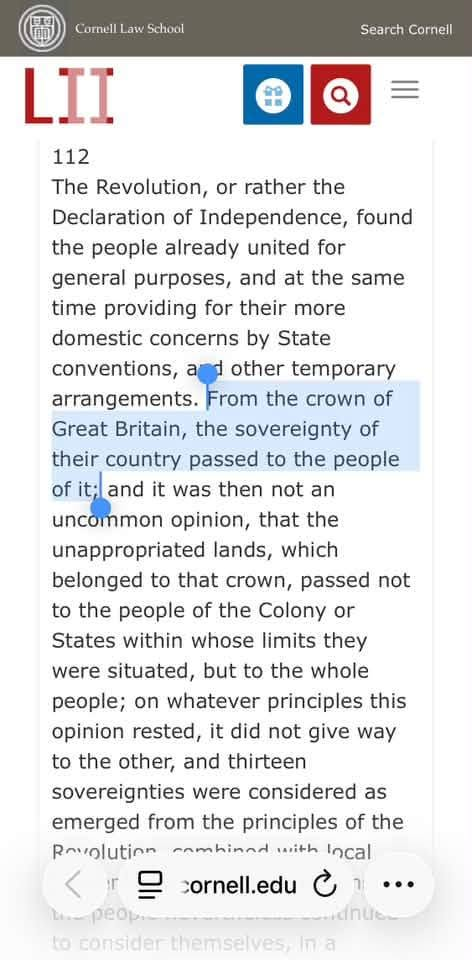
What Justice James Wilson Actually Said
The original Facebook post also refers to Justice James Wilson’s opinion in Chisholm v. Georgia, decided in 1793.
There is language in Wilson’s opinion that I find particularly interesting.
He described the State as an artificial creation and reminded the reader that, behind such an artificial creation, those who actually think, speak, and act are men.
He also discussed the historical danger of magistrates coming to regard themselves as sovereign rather than remembering the source from which political authority arose.
That is worthy of contemplation.
At the same time, historical context matters.
Chisholm concerned whether a state could be sued in federal court by a citizen of another state. The decision produced such a strong political reaction that the Eleventh Amendment was subsequently adopted.
I therefore would not use Chisholm as though it establishes that modern courts possess no jurisdiction over living men and women.
I find something deeper within Wilson’s words.
An office does not act by itself.
A government does not speak by itself.
An agency does not make decisions by itself.
A court does not place ink upon paper by itself.
Living men and women act through these creations.
And that means responsibility can never be completely hidden behind the name of an institution.
An Important Correction to the
Attached Graphic
I am preserving the attached graphic because it contains useful historical material and raises worthwhile questions.
However, part of its description of the California court structure is no longer current.
California formerly maintained both superior and municipal trial courts. Following constitutional changes approved by voters in 1998, the trial courts were progressively unified. By February 2001, all 58 California counties had unified their trial courts into a single superior court system.
The present California judicial structure consists of superior courts at the trial level, Courts of Appeal, and the California Supreme Court.
The graphic also quotes Isbill v. Stovall, a 1936 Texas appellate decision. The quoted discussion of a court is historical legal material, but historical quotations should always be examined in the context of the actual issue before the court rather than treated automatically as controlling authority for modern proceedings.
This illustrates exactly why I believe we must return to original sources.
A quotation can be genuine while the conclusion someone attaches to it may go considerably further than the source itself.
Research the source.
Read the surrounding text.
Determine what question the court was actually deciding.
Then determine whether the authority remains current and whether it applies to the particular circumstances being examined.
This is how we strengthen our work.
I Am Becoming Less Interested in
Fighting at the Final Stage
The more I explore these matters, the less interested I become in waiting until the final stage of enforcement and attempting to fight everything from inside a courtroom.
I want to return to the point of origin.
What happened first?
Who made the first claim?
What was entered into the record?
Was it accurate?
What was assumed?
Who possessed authority to make the determination?
What exactly had been delegated?
Were the limits of that delegation observed?
Where does the rule being relied upon sit within the applicable hierarchy of law?
What higher authority authorized it?
What body of law actually governs the particular controversy?
Was an opportunity provided to correct the matter?
Was a good faith effort made to resolve the disagreement?
Could the injury have been prevented before positions hardened and additional machinery was activated?
This feels much closer to right action for me.
Remedy Rather Than War
I do not believe that restoring lawful relationships requires hatred toward judges, police officers, prosecutors, bylaw officers, public servants, or anyone else.
These offices are occupied by men and women.
Some may act wisely.
Some may make mistakes.
Some may have been inadequately trained.
Some may have inherited assumptions that nobody around them has questioned.
Some may knowingly exceed the limits of their authority.
Where harm occurs, accountability matters.
But accountability does not require dehumanization.
I am interested in something deeper.
Truth.
Correction.
Restoration.
Right relationship.
Lawful remedy.
And the prevention of unnecessary injury before it occurs.
Matthew 18 reminds me that there is wisdom in going directly to the source of a disagreement before widening the conflict.
Administrative procedure itself frequently recognizes a similar principle by giving the originating administrative body an opportunity to review its decision before judicial intervention.
Perhaps these two worlds are not as far apart as they first appear.
Return to the Beginning
Before asking,
“How do I win in court?”
perhaps another question deserves to come first:
“Why is this matter in court at all, and what happened at the beginning that brought it here?”
Before fighting the final record, examine the first record.
Before purchasing another tool to decipher the claim, ask the claimant to disclose the foundation of the claim.
Before relying upon an isolated rule, trace that rule to the authority that permitted it to exist.
Before invoking commercial law, establish that the controversy is actually governed by commercial law.
Before assuming that Law Merchant controls the matter, examine what recognized law actually says about its place and application.
Use whatever resources genuinely assist your inquiry, but never allow the existence of those resources to relieve the originating office of its responsibility to explain what has been done, why it has been done, and upon what authority and evidence it relies.
Before arguing about enforcement, examine the originating claim.
Before assuming authority, trace the delegation.
Before accepting a classification, ask how it was applied.
Before escalating conflict, seek clarification.
Before condemning another, seek truth.
And wherever possible, correct what can be corrected while the matter is still close to its source.
The claimant should know the claim.
The claimant should know the evidence.
The claimant should know the authority being relied upon.
And the claimant should be capable of placing all three upon the record without requiring the other man or woman to spend hundreds or thousands of dollars simply to discover what is being alleged.
Perhaps one of the most powerful forms of remedy is not learning how to fight more effectively at the end of a process.
Perhaps it is becoming sufficiently awake, informed, and present that we recognize the erroneous assumption near the beginning and lovingly, firmly, and truthfully correct the record before an entire structure is built upon it.
Trace the record backward.
Trace the authority upward.
Then examine what stands at the intersection.
🌊🕊️💙💜💛⚖️🌎🌹
Source and Research Note
This article was inspired by a Facebook post shared by Tub Lis Tsheej in the group Going To Court?, together with the accompanying research graphic.
I have also referred to the work of Brandy and AERA ARK, including the Legal Line Analyzer, as one example of a privately developed resource intended to assist men and women in examining claims, language, definitions, capacities, relationships, and asserted authority.
I have further included the teachings of Cal Washington and the InPower Movement concerning Law Merchant and the Notice of Liability because they raise important questions about agreements, commercial relationships, responsibility, and the sources of authority. Their broader interpretation of Law Merchant is presented here as their teaching and as an area for continuing research, rather than as a conclusion automatically established by conventional jurisprudence.
Uniform Commercial Code section 1 103 expressly recognizes the law merchant as one of the principles of law and equity that may supplement the UCC unless displaced by a particular Code provision. That recognition should be distinguished from the broader proposition that Law Merchant governs every governmental or judicial interaction.
The constitutional, statutory, historical, commercial, and judicial materials referenced throughout this article should always be examined in their original context and checked against current constitutions, statutes, procedural rules, amendments, and controlling decisions applicable to the particular jurisdiction and circumstances.
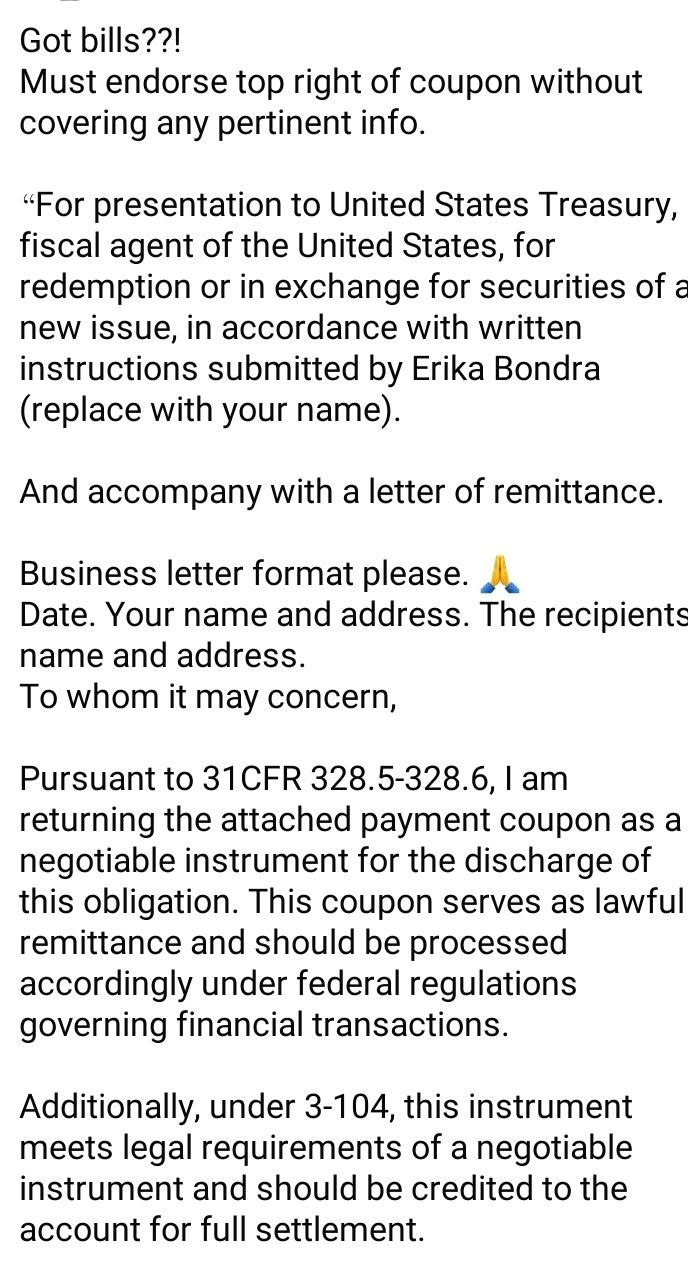
The attached Facebook discussion also illustrates why independent verification matters. Among the comments were competing claims concerning California courts, common law, judicial authority, passports, corporations, court jurisdiction, and other legal theories. Those comments are being preserved as part of the conversation that inspired this inquiry, not adopted as established law merely because they were stated.
The purpose of this exploration is not to tell another man or woman what to believe. It is to encourage us to return to the source, examine the record, trace the authority, ask better questions, require clarity, and seek remedy before conflict unnecessarily expands.
Here is the link to the Facebook post and the comments as of August 19, 2026, at 9:22 PM PDT.
Tsheej ·r͏e͏o͏d͏o͏n͏p͏t͏S͏s͏l͏6͏2͏m͏4͏4͏u͏4͏l͏0͏1͏3͏7͏0͏3͏f͏i͏s͏i͏1͏h͏a͏8͏:͏a͏u͏h͏7͏8͏1͏t͏ ͏2͏h͏t͏ ͏A͏g͏1͏ ͏4͏t͏g͏u͏6͏i͏9͏m͏u͏0͏ ·
Most people who enter into a courtroom are absolutely ignorant as to what a “court” is, what their relationship to the court is, what the purpose of the court is, what the hierarchy of the courts are, and how to properly wield the court to execute the will of the people.
Because of the people’s utter ignorance, the civil magistrates have hijacked the courtroom, made themselves the sovereigns of the court, and are executing their own will under color of office, color of authority, and color of law. Justice James Wilson forewarned of this in Chisholm v. Georgia that the magistrates will steal the sovereignty of the people for themselves.
Here are some facts about the sovereignty of the people and the purpose of public agencies: executive, legislative, and judicial. These facts are revealed in every union and Federal Constitution and each compact uphold and affirm the others.
Comment(s) attached to the post:
Nella Senoj Repetition and normalcy breeds….
Christina MacNeil Barefoot North Carolina’s is unconstitutional. It’s not for the hood of the whole. The founding is clear it is for the hood of upholding each individuals unalienable rights. And each people are bound to protect your rights too!! So that one is void.
Tub Lis Tsheej Christina MacNeil Barefoot Where does it declare that in the North Carolina Constitution? As far as the first several sections, the contract looks clear and agreeable to me, especially its Preamble.
Tom Kibler Christina MacNeil Barefoot hood?
Eric Harvey Tom Kibler neither one of you were that bright look at your keyboard hood doesn’t fit in there, but H is right next to the G in good fits in there..
Tom Kibler Eric Harvey you defend all fuck ups, eh? I call them out- this is how we differ
Robby HaynesChristina MacNeil Barefoot I love these arguments. People telling the court it is not valid and has no jurisdiction over them as the court sends them off to jail. Lmao
Aaron Keyzador Sherre Suck inferior dick
Nathan KrotzerIf All p eople are equal and have certain unalienable rights.
Each person is a Sovereign.
1 free person = 1 free state (10th amendment)
This means the Supreme Court has original jurisdiction in all cases as enumerated via article 3 sec 2 clause 2.
Michael CaptainNathan Krotzer U in your lawful capacity as a Man is a version of the supreme court, not a bunch of wards wearing robes!
Ron Mead That is why you get a lawyer or ask for one
Nathan Ball COMMERCIALIZED CORPORATE COMMON LAW is what we are under as COMMODITIES/PRODUCTS to be handled, tracked, traced, and or destroyed if necessary. We are under the Act of 1871 not under 1776.
Lynn Juris Christian Nathan Ball UNTIL NOW, OUR REPUBLIC HAS BEEN RESTORED, NOW UNDER COMMON LAW, AND 1776 CONSTITUTION
Nathan Ball Lynn Juris Christian COMMON LAW is not Law of the Land. It is COMMERCIAL CORPORATE LAW under the Chevron Doctrine. The US Supreme Court Overturn it.
Ken Petrini There never was a 1776 Constitution
Lynn Juris Christian Nathan Ball I’m aware that the Chevron Deference was overturned by the Supreme Court. However, Common Law IS GOD’S LAW.
What source are you using to back up your claim?
Nathan Ball Lynn Juris Christian Where does the bible state that. COMMON LAW is a form of legal law not law of the land. The constitution is not for us, it is for them. The Declaration of Independence and Bill of Right with the 12 Articles to it is ours. Stop using what they created and revoke everything you accepted, unregister to vote too. You tied yourself to them therefore they can control you.
Nathan Ball Lynn Juris Christian Even a pass port ties you to them.
London Jackson Nathan Ball dear God then how do you go where the hell you want to go? Tell me brother how in the fuck do you go out of the country without it?
Morgan Blakeman London Jackson you can apply for a passport with your baptismal certificate it is witnessed by two people. Then when you get your passport, you tell them you are a US national then you can go anywhere you want and they’re stupid laws don’t apply
Andreas Panek Frage.
Heißt es bei Euch auch wie bei uns so, daß wenn ein Schreiben eines Richters verschickt wird auf dem Schreiben steht, “Richter AM Amtsgericht” und nicht “Richter IM Amtsgericht”?
See translation
Michael Captain ” I am here on behalf or the crown “
If you dont know how to use a crown, maybe you shouldnt be in court!
Tub Lis Tsheej Michael Captain prior to the Declaration of Independence, the court was called the “King’s Bench” after the sovereignty of the King. After the Declaration of Independence, the court was renamed to the “People’s Bench” after the sovereignty of the People.
Michael Captain Tub Lis Tsheej its called common law, and American Jurisprudence is based off it.
” All Americans are kings and queens “.
Usually the prosecutor as plantiff is on behalf of the crown, if you dont know how to be proper plantiff In proper courts; then you will always be slaves to commerce!
Michael Captain Tub Lis Tsheej lawful rule is for God’s people not the persons who’ve adopted false dominion thru false authority!
When the Son of Man returns many crowns will be given to those who were faithful.
Has nothing to do with the crown of britian but where all true crowns/sovereignty really come from!
Michael Captain Can any of you explain what happened during Magna Carta, what our own govt is doing against the whole world right now; and why that is important?
Bill DeGrave And that exactly is the issue. Therefore the courts need to change. The fact that they play the word game is absolutely criminal. Judges , attorneys and cops are more criminal than most of the people in jail in this country
Craig Proctor Bill DeGrave yes they are because they’ve stolen this country from the citizens
Bill DeGrave Craig Proctor not to mention the break , more laws than most criminals in this country
Collier Winegarden I saw someone become an officer of the court? That kept at least one bailiff at bay… until the judge bowed to sov… anyways how does one go about becoming an officer of the court? Thoughts? Let’s level up together
Jack Shelton Now tell me what wrong in MT
Rick Prince There are no lawful inferior courts
Earl Langham Meaning a superior court of record, and the highest on earth is your document ( paperwork, Affidavit or declaration and so on. And you must have the flag in the left top corner.
Where folk have been messing up is they type their paperwork up ( affidavit or complaint ) and presented to the clerk of court under Foreign jurisdiction. How we know because in your own court of record you have NOT established jurisdiction. Everyone always present their documents to the court under the CORPORATION, the franchise sub branch of United state government. Example STATE OF TEXAS.
By many own ignorance The CORPORATION can NOT practice law nor hire an Attorney. People vs merchant protective corp. Therefore the CORPORATION lack personal jurisdiction, subject matter jurisdiction, and territory jurisdiction. It lack standing.
All those you allow these demon to issue bond warrant upon you which everyone is fraud. Which mean you suppose to sue them in federal court use your case and bond as evidence. Why? They only issue bond for failure to appear. They say The CORPORATION example STATE OF TEXAS hear your name call in court. I don’t need to explain that if you got common sense to know that is impossible. 
Joseph Kent Bey Ok, so what to do without getting a warrant?
Branden Wood Could it b…TREASON??!!


Bob Gauthier the magistrates are like saint peter at the all mighty gate ,,,,, the real gate isn’t as almighty as you think, trust me it isn’t , as far as we know the path could just be a grapevine yes SIR. and where do you end up hmmmm
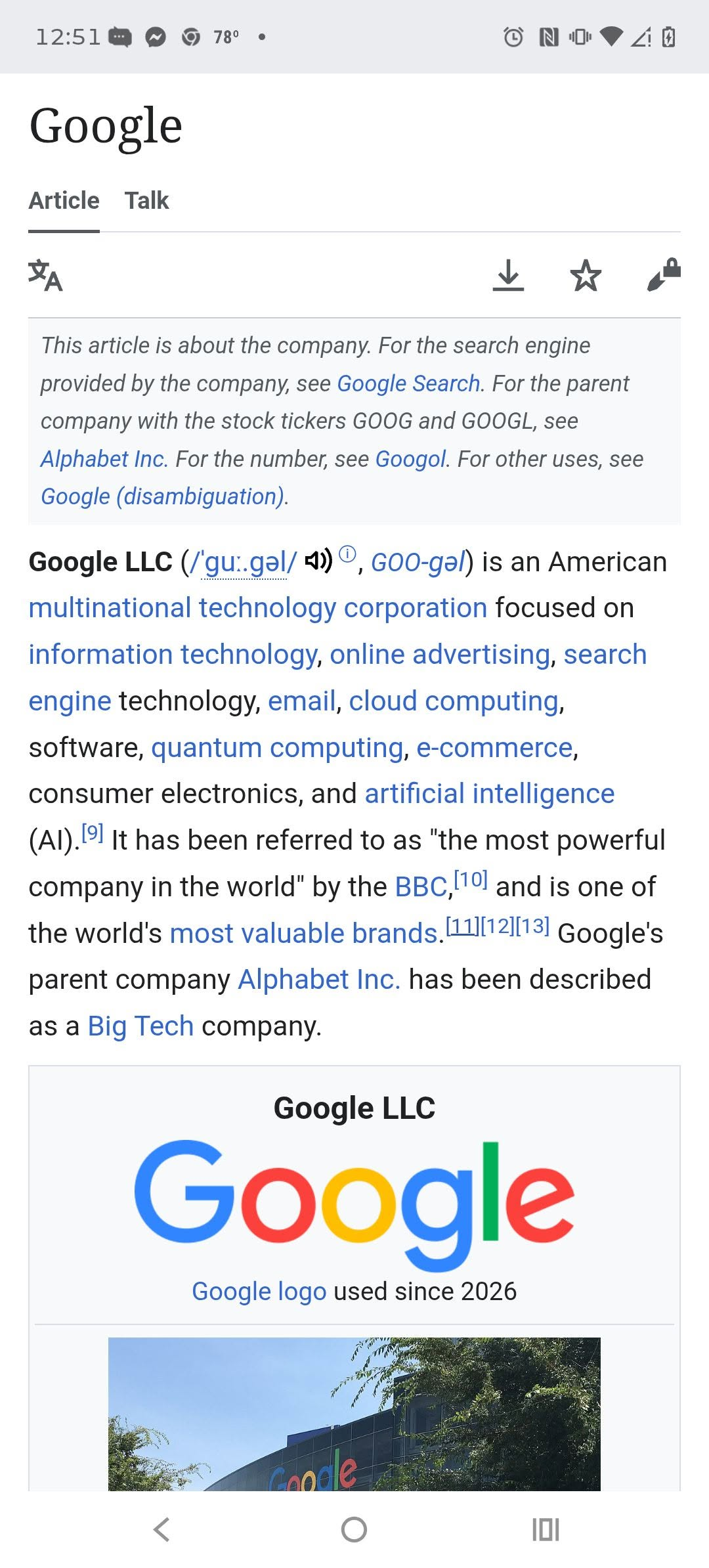
Steven Lee Yep kids
Steven Lee But I’m the dad one
Steven Lee Now or you on drugs
Brandon Scott Gibbs Trustee More bullshit
Steven Lee Yeah because it’s kind of like this kind of person I am you going to leave it down not our boat out of the damn airplane I’ll be scared of s******* are you going down and drop it down boat or break a boat off and down motor you don’t want to do that either or you going to be there almost to get a while trying to drill it out and then you got to tap it out and all that s*** I don’t like doing that
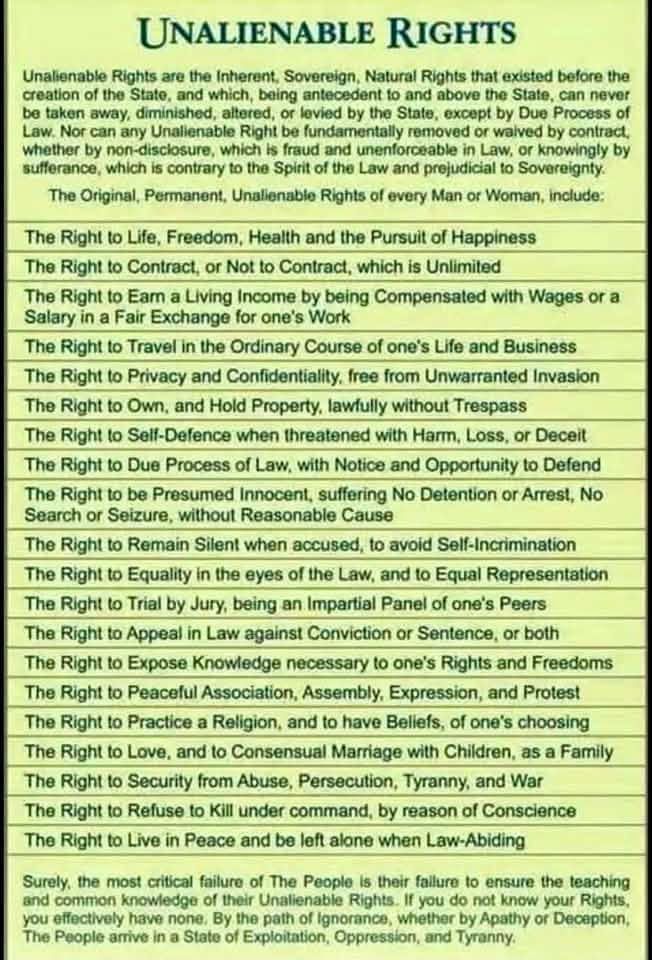
Craig Proctor What’s hilarious is you can’t comment on these public platforms without giving up your right to freedom of speech by agreeing to their rules lmfao go fuck yourself
Tammy Leigh Rogers Havlik Not able to read this on a phone.
Troy Smith Im going through malicious prosecution and the digitally spoilation through 3 courts too the appeals court, you people have no idea how corrupt the courts are we need restart !
Deana Marie All rely on the man or woman claiming to be a person. If you question what is YOU then the claim is void the court procedure null enviod
Eliza Sampson That’s the Redemption Manual is it??
Deena Hoblit Hate to bother you with reality, but California hasn’t had ”inferior ‘ courts since 2001. Isbill v Stoval is heavy cherry picked to the point that the actual ruling is lost entirely in your claim. It’s also from 1936 and is not and never was controlling law.
William Cornwell Certainly feeling the same way about the new cops the new law enforcement they’re claiming to be, apparently the new cops today or judges, executors and lawyers without one fucking sign of a license to do any of it and plus they even have a gun they carry around
Robin Devine Krstafer Pinkerton
Claudio Davalos As a layman at law.
Me take it on a private Journey personal experience and start over turning cases in El Paso district
Claudio Davalos Jajajaja  si es verdad
See translation
John F. Marbury Sr. 👁️ 🪬 👁️
Patricia Kohlman People are not ignorant. They are just ill informed
Peggy Ravenist Patricia Kohlman ignorant doesn’t mean stupid…
Chris DeLaughter Always use the script never accept a public defender always object to everything and just don’t go it’ll all work out for the best
Vanessa Stafford Thing is, not all are real courts. In my experience, none hold a degree in Law, probably in anything.
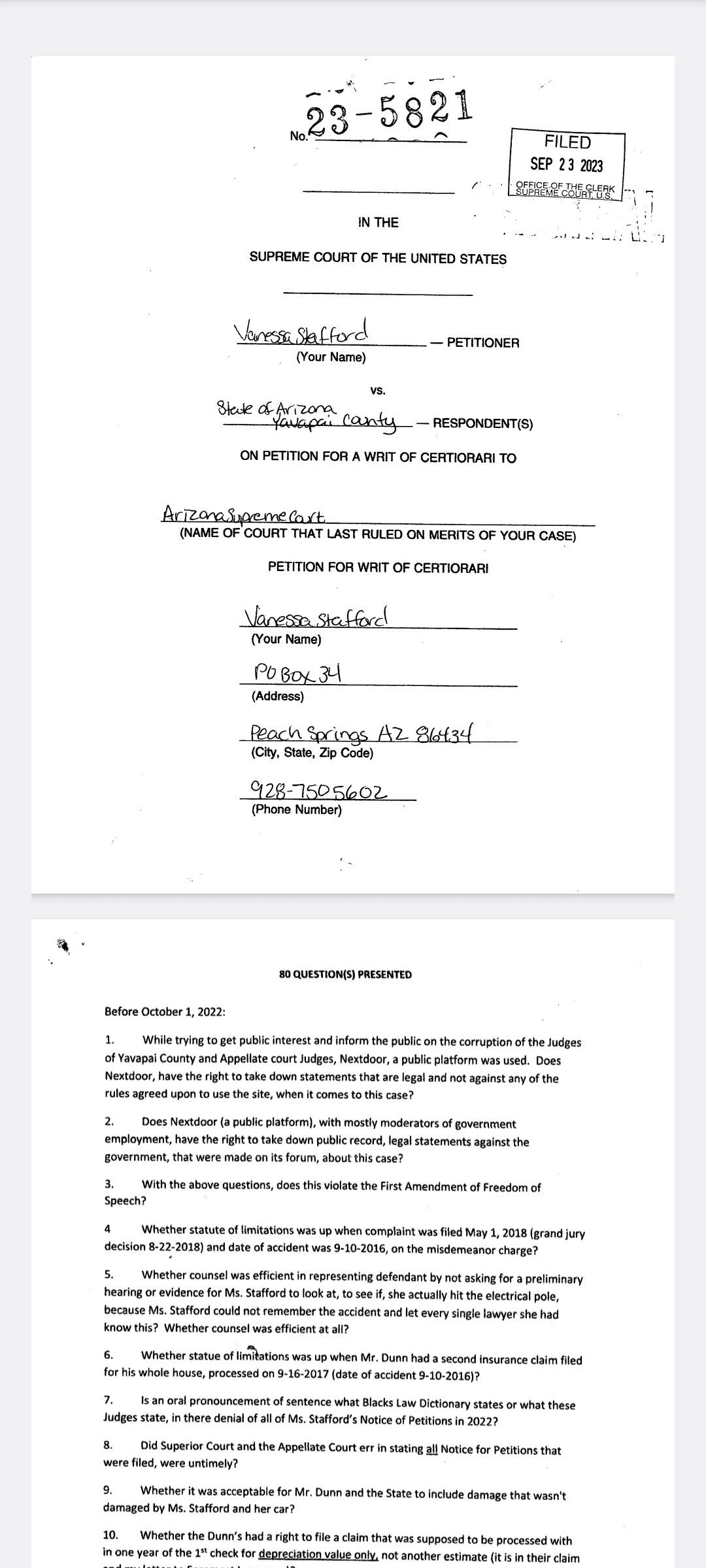
My case: 80 questions on corruption of Yavapai County. US Supreme Court case number 23-5821 but was denied. No one in my case had a law degree. Clarence Thomas, appointed from AZ, doesn’t have a law degree. Check black Yale Alumni. My case is now at the International Criminal Court for crimes against humanity. 20 plus years Yavapai county, Arizona, and the United States Supreme Court have been human trafficking children. Along with innocent adults. No one, in my experience in Yavapai county courts, has a law degree. Not the judges, lawyers, nor prosecuting attorneys. My presented case, along with the evidence, is around 140 pages
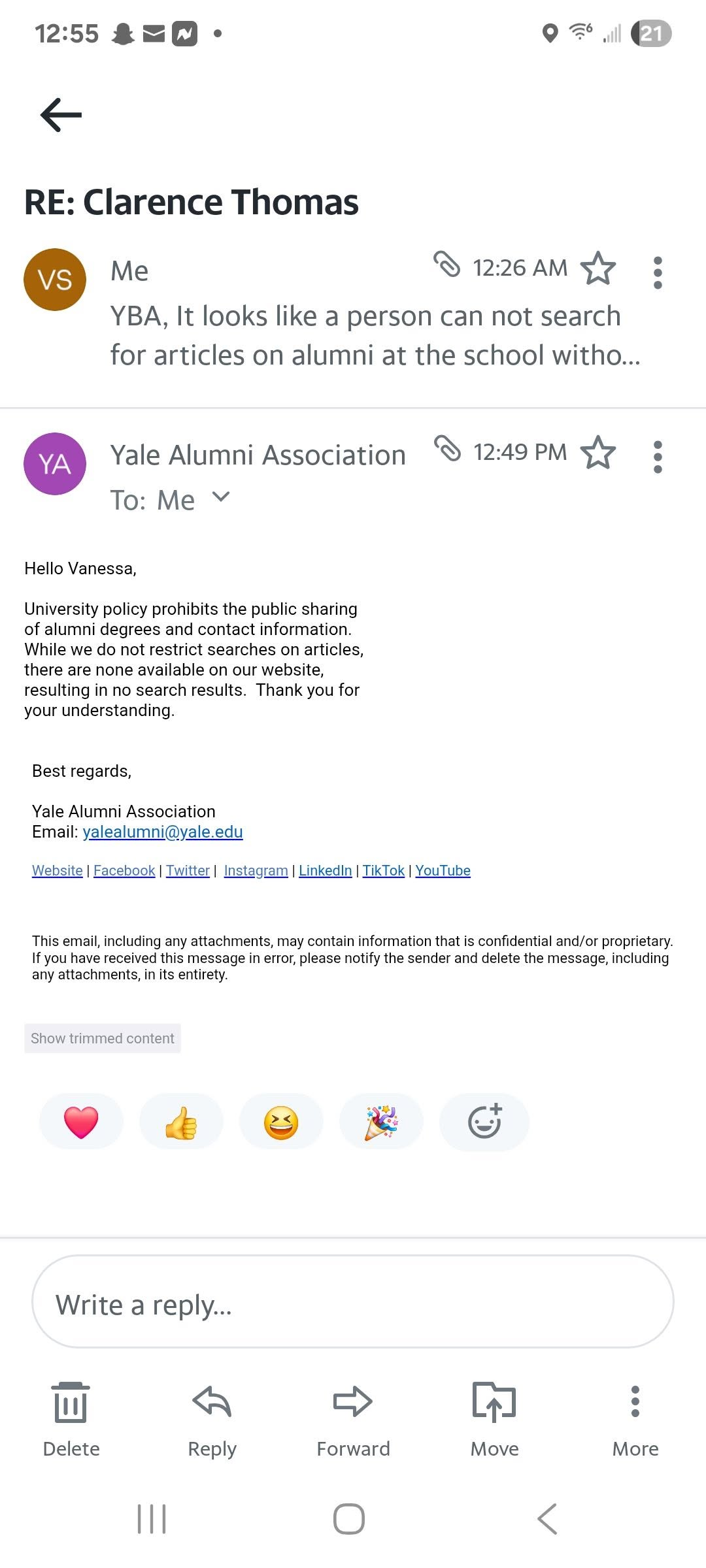
Vanessa Stafford Next picture is my fake attorney singing his name with “for” and Antonio Gonzalez bar license number. The prosecuting attorney didn’t even bother with her number, illegally. Adam Zickerman was a fake lawyer for over 20 yrs. Before that, a law teacher at NAU, still has his own law practice, i believe, With no law degree…

Vanessa Stafford 80 questions

Veneta Clarke You going to Joe for food, stamp?Fart, and I’m going to the pre sent now.They’re gonna find out where you’re at
Constituent law At San bernardino voters registrar office, I found forgeries and fraud being committed. When I asked for record requests they said we don’t do that so get out. I should of video recorded it to upload the negligence they commit. Their verification is to see if 2 boxes are checked off and that is their verification methods. I ask you, unless your are gaining something, what voter would vote to increase taxes on themselves? The ballots and voter applications are neglected for any real verification. They do not cross reference or check social security numbers to see if they match. How convenient for voter fraud to occur. Don’t believe me go to 777 Rialto ave. San Bernardino ca 92415. That is why your taxes go up, since the tax increase gang has your votes and non citizens fraudulent votes. So all of you become losers in Counties where noone verifies the real voters and film the counts. What can be done? They will always win when this scam of voter fraud and forgeries of people who got scammed on fake votes. The negligence is real. Stop being losers and secure your votes. No record requests from these unethical pos. Help real voters to weed out the scammers. Your cost of living would be lower if these scammers would stop stealing from you.
Kevin Harmoning Here is a clean, formatted flyer layout optimized for print, designed to fit cleanly on a single page using standard formatting.
================================================================================
DECLARATION OF NATURAL SOVEREIGNTY
& FIELD COHERENCE
================================================================================
I. JURISDICTIONAL GROUNDING: LIVING REALITY VS. LEGAL FICTIONS
——————————————————————————–
• INNATE AUTHORITY
Individual authority originates directly from living consciousness and
Natural Law—not from statutory codes, corporate registries, or
administrative fictions.
• STATUS CLARITY
Fictional legal entities, administrative contracts, and debt-based trust
instruments operate strictly within commercial jurisdictions. A living
man or woman stands outside corporate joinder, maintaining unalienable
standing under Source and Natural Law.
• LAWFUL ASSEMBLY
State assemblies serve as community-driven, decentralized frameworks to
restore public record clarity, mutual protection, and self-governing
jurisdiction.
II. THE CONTROL ARCHITECTURE: SYSTEMIC INVERSION
——————————————————————————–
• EXTRACTIVE FRAMEWORKS
Centralized systems rely on artificial scarcity, consent harvesting,
memory suppression, and administrative opacity to enforce compliance.
• TECHNOCRATIC OVERRIDE
Mechanistic technology—such as invasive neural implants, automated
surveillance, and centralized digital tracking—aims to force biological
systems into synthetic networks rather than supporting human autonomy.
• CORPORATE MEDIA & DATA
Algorithmic controls and narrow AI optimization exist primarily to reinforce
status-quo corporate structures, filter out critical inquiry, and maintain
institutional stability.
III. THE ORGANIC ALTERNATIVE: FIELD RESONANCE & BIO-COHERENCE
——————————————————————————–
• RESONANCE OVER INVASION
True technological and spiritual evolution relies on field-based
interaction—where tools respond to intention, emotional coherence, and
natural frequencies without physical intrusion or mechanical override.
• SOVEREIGN BOUNDARIES
Conscious alignment requires maintaining the integrity of the inner temple.
External tools, geometry, and symbolic anchors must act as tuning forks
that reflect internal coherence rather than control mechanisms.
• COMMUNITY RESTORATION
Real security is built through local food independence, sovereign barter
networks, direct human connection, and open, transparent communication.
IV. ACTIONABLE PRINCIPLES FOR SOVEREIGNTY
——————————————————————————–
1. WITHDRAW UNKNOWING CONSENT
Identify, clarify, and revoke administrative joinder to corporate
commercial structures.
2. STAND IN NATURAL JURISDICTION
Operate under principles of Natural Law: cause no harm, honor commitments,
and protect the living environment.
3. BUILD DECENTRALIZED NETWORKS
Support local state assemblies, privacy-preserving communications, and
independent community resources.
4. MAINTAIN INTERNAL ALIGNMENT
Ground all outreach in truth, peace, and unwavering spiritual alignment.
================================================================================
STAND IN TRUTH • HONOR NATURAL LAW
================================================================================
______________ End Comment(s)______________
#ReturnToThePointOfOrigin #CorrectTheRecord #DelegatedAuthority #LawfulRemedy #Jurisdiction #HierarchyOfLaw #NaturalLaw #RightAction #TruthAndAccountability #FreedomDove #ActualizingHeavenOnEarth
🌊🕊️💙💜💛⚖️🌎🌹


Leave a Reply