

Happy Brain Cell Song-happy healing
https://www.facebook.com/share/r/1bPkcVtB2u/
All my brain cells are happy, healthy. All my brain cells remembering well. All my brain cells are happy, healthy.All my brain cells remembering well. I’m so glad every brain cell is remembering everything well. I’m so glad all my brain cell is remembering everything well.
Make the song yours. Modify it to help others. This is your song now.Happy Healing.
__________________________
How To Fix A Double Chin
Oscar Patel · Original audio
How To Fix A Double Chin
#fasciarelease#healthyhabits#looks#habits
This content is for educational and informational purposes only and reflects what we have learned through years of client experience. It is not medical advice, diagnosis, or treatment, and is not a substitute for guidance from a qualified healthcare professional. Everything shared here is general information about structural health and facial development, not personalised advice for your specific situation. Always consult a doctor or licensed professional before starting any new routine, and make your own informed decisions about your health.
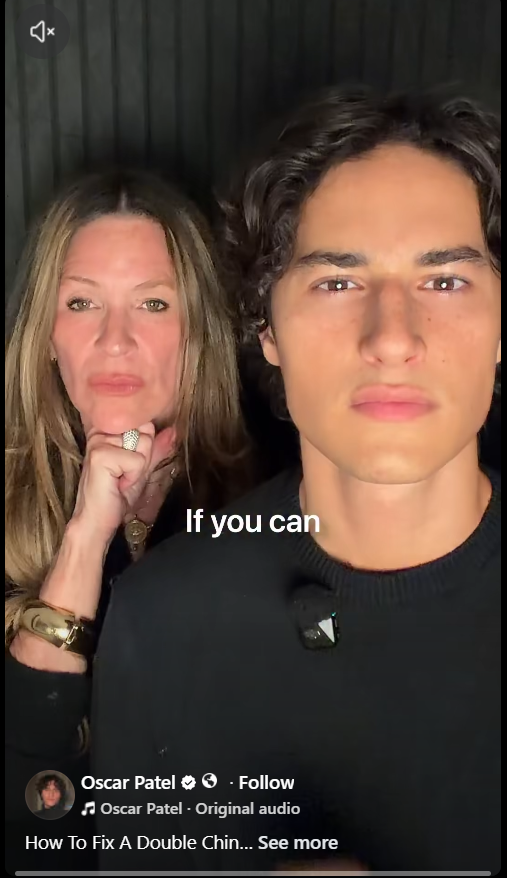
Absolutely. This one contains three separate exercises, so I would organize it the same way while distinguishing the movements from the video’s promised cosmetic outcomes.
Facial Exercise Routine From the Video
1. Under Jaw Resistance Exercise
Make a fist and place it underneath your jaw/chin.
Then:
- Apply gentle upward resistance with your fist.
- While maintaining that resistance, slowly open your mouth.
- Open only as far as is comfortable rather than forcing the jaw.
- Continue the resisted opening movement for the prescribed time.
Duration: Up to 1 minute daily.
The video claims this will “fix a double chin.” A more cautious description would be that this is a resisted jaw and neck exercise. It may engage muscles beneath the jaw, but a double chin can also reflect genetics, skin laxity, anatomy, posture, and subcutaneous fat, so the exercise isn’t established as a way to eliminate one.
2. Inner Eyebrow Massage
Take your index finger and locate the inner corner of your eyebrow, near the bridge of your nose.
Then:
- Apply gentle pressure to the area.
- Massage the inner eyebrow area.
- Repeat on the other side.
Repetitions: 25 times on each side daily.
The speaker says this will improve the vertical lines between the eyebrows, sometimes called “11 lines.” Gentle massage may temporarily relax the area, but I wouldn’t present reduction of these lines as a guaranteed outcome.
3. Inside the Mouth, Under Cheekbone Hold
Wrap one hand around your opposite wrist to provide support and control.
With the supported hand:
- Place your clean thumb gently inside your mouth.
- Position it at the point directly beneath your cheekbone.
- Apply only gentle pressure.
- Hold the position rather than aggressively massaging the tissue.
- Repeat on the opposite side.
Duration: Up to 1 minute on each side daily, based on the speaker’s wording.
The video associates this exercise with reducing under eye bags and promoting lymphatic drainage. Gentle facial movement and massage can influence superficial fluid movement, but I would treat the specific claim that this intraoral hold reduces eye bags as the speaker’s claim rather than an established result.
Complete Sequence
1. Fist beneath jaw + resisted mouth opening — up to 1 minute daily
2. Inner eyebrow massage — 25 repetitions on each side daily
3. Gentle thumb pressure inside mouth beneath cheekbone — up to 1 minute each side daily
As with the previous routine, I would keep everything slow, gentle, and pain free. In particular, there is no advantage to forcing the jaw open against strong resistance or applying hard pressure inside the mouth.
This content is for educational and informational purposes only and reflects what we have learned through years of client experience. It is not medical advice, diagnosis, or treatment, and is not a substitute for guidance from a qualified healthcare professional. Everything shared here is general information about structural health and facial development, not personalised advice for your specific situation. Always consult a doctor or licensed professional before starting any new routine, and make your own informed decisions about your health. https://www.facebook.com/reel/2181172315775549
If you can make a fist, place it under your jaw. Then resist while opening your mouth as wide as possible for one minute daily. You will fix a double chin.
If you can take your index finger and massage the inner corner of your eyebrows 25 times daily, on each side you will improve 11 lines.
And if you can wrap one hand around your wrist for support. Then take your thumb and place gently inside your mouth at the point directly under your cheekbone and hold for one minute daily.
You will reduce eye bags and promote lymphatic drainage. Health is Lux.
________________________________
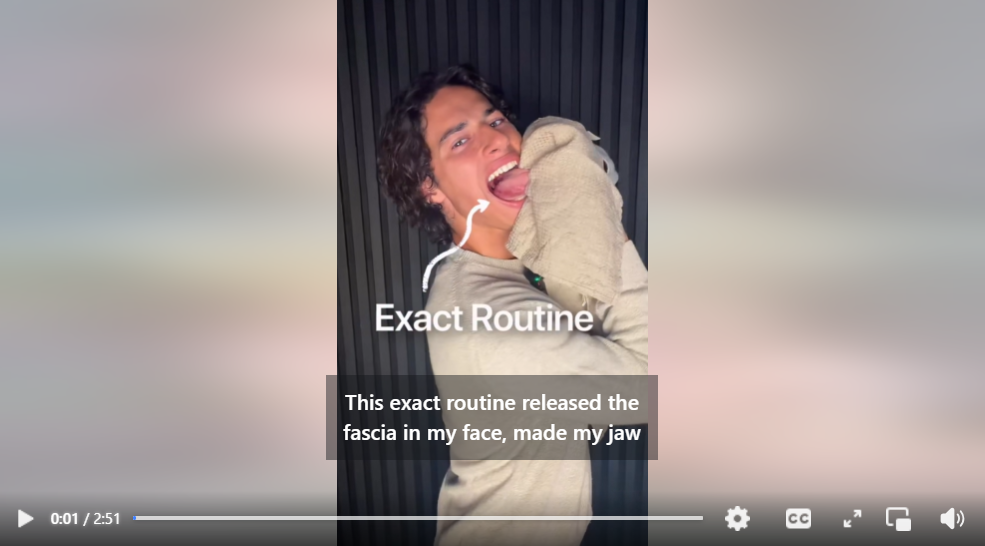
Fascia Release Routine From the Video
1. Tongue Stretch and Side Twist
Stick your tongue out.
Take a clean towel or cloth and gently hold your tongue with it.
Very slowly:
- Gently stretch the tongue outward.
- Twist or guide the tongue toward one side.
- Allow your head and spine to naturally follow the movement rather than forcing them.
- Hold for a few seconds.
- Return slowly to centre.
- Repeat toward the opposite side.
Repetitions: 2 times on each side.
The speaker describes this as releasing tension along what he calls the “deep front line.”
2. Cheek Thumb Rotation With Jaw Movement
Place both thumbs in the middle of your cheeks.
Rotate each thumb in opposite directions so that you create a gentle twisting pressure through the cheek tissue.
While maintaining the pressure:
- Slowly open your mouth through a comfortable range of motion.
- Slowly close your mouth again.
- After each repetition, reverse the direction in which your thumbs are rotating.
Repetitions: 5 times.
This should be gentle rather than forceful, especially around the jaw joint.
3. Inside the Mouth, Under the Cheekbone Release
Place one clean thumb inside your mouth at the area directly beneath your cheekbone.
Gently apply pressure to the area. The speaker specifically says not to use much pressure or push hard.
Keep your body comfortably aligned and breathe slowly through your nose, allowing your ribcage to expand with each breath.
Hold: About 10 seconds on each side.
Then repeat on the opposite side.
4. Two Thumb Intraoral Release With Backward Body Movement
Place both clean thumbs inside the mouth at the same points beneath the cheekbones.
Hold gentle pressure for a few seconds.
Then, rather than pushing harder with your thumbs:
- Allow your body to move very slowly backward.
- Keep the movement controlled.
- Let the backward movement create the stretch.
- Move only as far as feels comfortable.
The speaker emphasizes: “The slower, the better.”
He describes this movement as a form of pandiculation. Pandiculation is a real term for the instinctive stretching and contracting movements we often make, such as when waking, although his additional claim that this exercise causes cranial sutures to “decompress” should be regarded separately from the movement itself.
5. Gentle SCM Massage
Turn your head downward and toward the opposite side. This should make the sternocleidomastoid, or SCM, along the side of your neck easier to identify.
Using your fingers:
- Very gently grasp or pinch the prominent muscle.
- Massage slowly along the muscle.
- Work gradually upward and downward.
- Do not squeeze deeply or aggressively.
Repetitions: The speaker suggests repeating this 2 times on each side.
This is an area where I would be particularly gentle. The neck contains important blood vessels, nerves, lymphatic structures, and the carotid sinus. Massage the superficial muscle rather than pressing deeply into the front or side of the neck.
The complete sequence
1. Tongue stretch and twist — 2 times each side
2. Opposing thumb rotations on cheeks + opening/closing jaw — 5 repetitions
3. Gentle intraoral pressure beneath cheekbone — about 10 seconds each side
4. Both thumbs beneath cheekbones + very slow backward body movement
5. Gentle SCM massage — 2 times each side
And one instruction from the video that is worth preserving exactly in spirit is: none of these movements should hurt. With the tongue, intraoral tissues, jaw, and particularly the neck, gentle and comfortable movement is much more appropriate than trying to obtain a stronger stretch.
https://www.facebook.com/watch?v=28388896160769129
Contralateral Palate and Fascia Exercise
Side One: Right Foot / Right Palate
- Stand comfortably with your feet apart. Use as wide a stance as you need to feel stable.
- Cross your right foot over your left foot.
- Bring your right thumb inside your mouth.
- Position the right thumb against the right side of your palate.
- Use your left hand/thumb to brace and support the right hand/thumb.
- According to the demonstration, gently pull down with the supporting hand while pressing upward with the right thumb into the palate.
- Keep the pressure very gentle. Do not force the palate.
- Slowly allow your head to turn/twist backward.
- Relax the rest of your body.
- Breathe slowly through your nose, allowing the breath and ribcage movement to remain relaxed.
- After holding the position briefly, begin to gently move and twist your body from side to side.
- Keep the movement slow, comfortable, and fluid.
- Continue for 1 minute.
Reset Between Sides
- Release your thumb from your mouth.
- Uncross your feet and arms.
- Walk around naturally for 1 minute.
- Allow your jaw, neck, shoulders, hips, and the rest of your body to relax.
Side Two: Left Foot / Left Palate
Reverse everything:
- Cross your left foot over your right foot.
- Place your left thumb inside your mouth against the left side of your palate.
- Brace/support the left hand/thumb with your right hand.
- Apply very gentle upward pressure to the left side of the palate.
- Slowly allow your head to turn/twist backward.
- Relax your body and breathe gently through your nose.
- Begin gently moving and twisting from side to side.
- Continue for 1 minute.
Easy Reminder
RIGHT: Right foot crosses over left → right thumb on right palate → brace → breathe → gently twist and move → 1 minute
WALK: Relax and walk around → 1 minute
LEFT: Left foot crosses over right → left thumb on left palate → brace → breathe → gently twist and move → 1 minute
Most important: keep the thumb pressure, neck movement, and twisting gentle and pain free. The palate is sensitive tissue, so there is no need to press hard to perform the movement described in the video.
_______________________
Chin stretch
______________________________
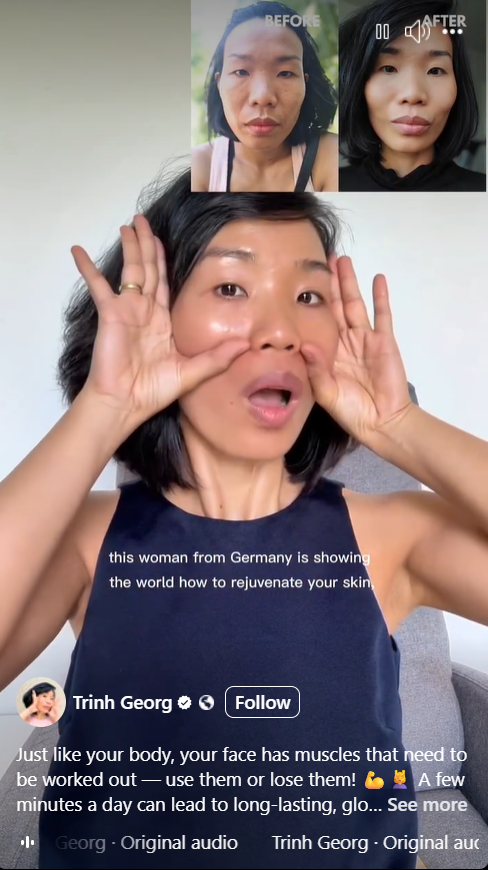
Six Face Excervises
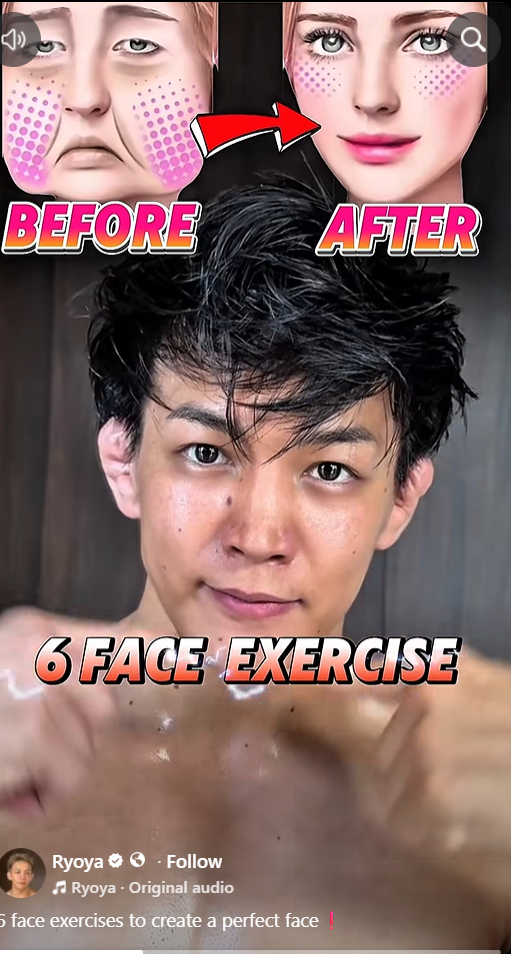
RyoyaThank you for subscribing! I’ll create content that only you can see! https://www.facebook.com/61568193033294/subscribenow… https://www.facebook.com/share/r/1DvqeFwYNm/
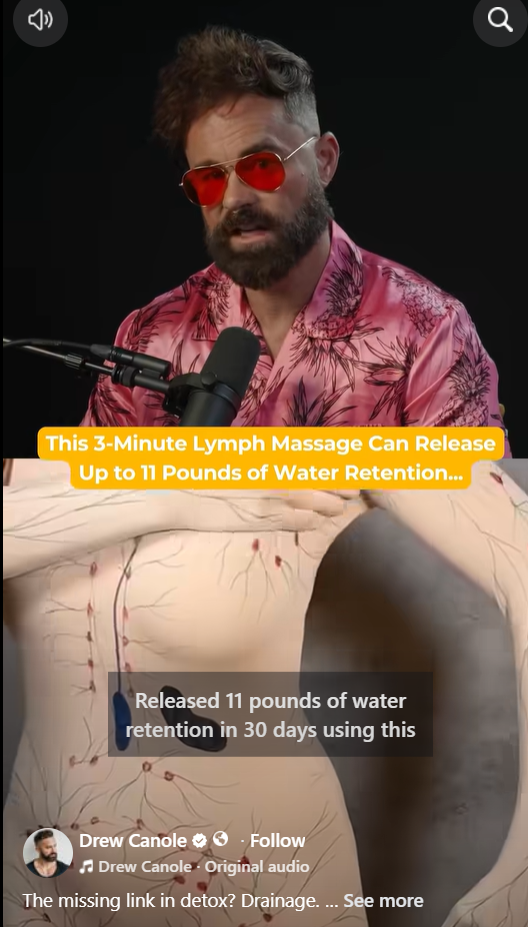
Supporting Detoxification With Movement and Lymphatic Drainage
The Missing Link in Detoxification May Be Drainage
The lymphatic system helps transport excess fluid, cellular waste, and immune cells throughout the body. Unlike the cardiovascular system, it does not have a central pump. Gentle massage, muscular movement, deep breathing, walking, and rebounding may help support the natural movement of lymphatic fluid.
In this video, Drew Canole shares a simple daily routine that he says can be completed in approximately three minutes.
Three Minute Lymphatic Movement Routine
Spend approximately 30 seconds at each station, working through the areas in the following order.
1. Collarbone Area
Begin above and below the collarbones on both sides.
Use gentle tapping or light circular pressure. This area is located near the point where lymphatic fluid returns to the bloodstream.
2. Neck
Place your fingers along the sides of the neck and gently stroke downward toward the collarbones.
Keep the pressure soft and comfortable, particularly if the area feels tense or tender.
The video suggests that tension in this area may be associated with restricted movement of lymphatic fluid. It also includes an anecdotal claim that some people have noticed improvement in vertigo after regularly massaging this area. Vertigo can have many causes and should be assessed by a qualified health professional.
3. Underarms
Gently massage the area beneath each arm.
Use small circles or soft pressing movements without causing pain. The underarm region contains clusters of lymph nodes involved in filtering lymphatic fluid.
4. Abdomen
Massage up and down along the sides of the abdomen.
Move slowly and breathe deeply. The abdomen contains a large network of lymphatic vessels and nodes associated with the digestive and immune systems.
Gentle abdominal massage may also encourage relaxation and support activation of the parasympathetic nervous system.
5. Groin and Inner Thighs
Apply gentle circular pressure around the upper inner thighs and groin area.
This region contains major groups of lymph nodes. The video suggests that stimulating this area may also support bowel regularity, although persistent constipation should be discussed with a medical professional.
6. Behind the Knees
Gently massage the soft area behind each knee.
This part of the body is often overlooked, yet it also contains lymph nodes and vessels involved in moving fluid from the lower legs.
7. Finish With Movement
Complete the routine with approximately 30 seconds of gentle jumping, rebounding, or shaking.
A rebounder can be used, although it is not essential. Walking in place, raising and lowering the heels, lightly bouncing while keeping the feet on the floor, or gently shaking the arms and legs may offer lower impact alternatives.
Important Considerations
Massage should remain gentle and should never cause significant discomfort, bruising, dizziness, or worsening symptoms.
Someone experiencing unexplained swelling, persistent water retention, vertigo, heart or kidney concerns, blood clots, infection, recent surgery, cancer treatment, or diagnosed lymphedema should consult a qualified health professional before beginning lymphatic massage or rebounding.
This routine may support circulation, relaxation, and natural lymphatic movement, but claims such as releasing 11 pounds of retained water in 30 days cannot be assumed to apply to everyone. Sudden or substantial changes in fluid retention can sometimes indicate an underlying medical condition.
Drew Canole · Original audio
The missing link in detox? Drainage.
Drew Canole

https:://www.facebook.com/reel/2298056174353026
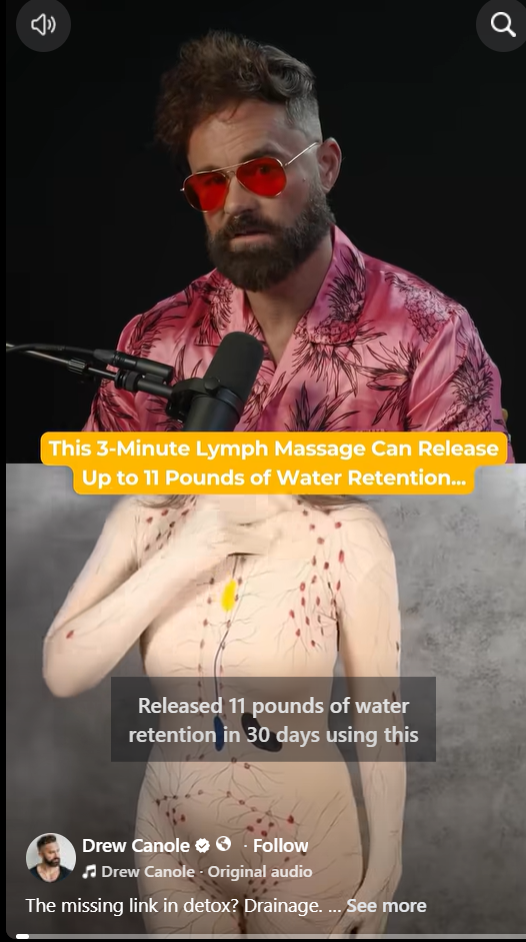
The missing link in detox? Drainage. #health #detox #simple | Drew Canole
____________________________________
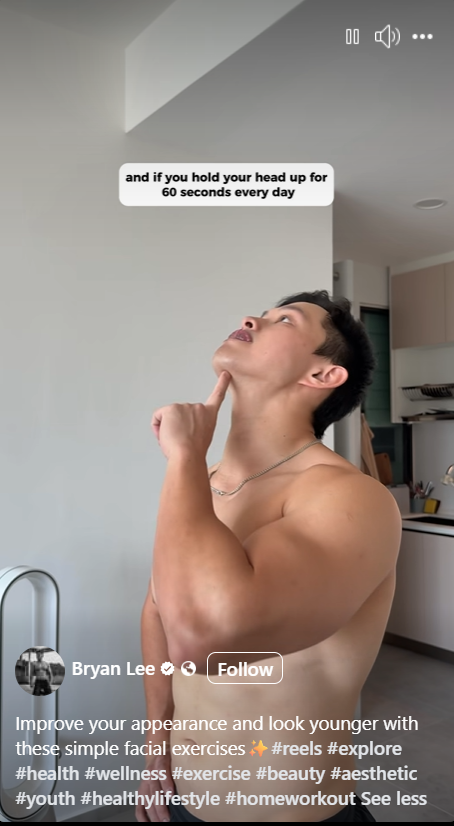
Improve Facial Appearance
https://www.facebook.com/reel/1357172482693765
For Increased Vitality!
https://www.facebook.com/reel/3568541860109053
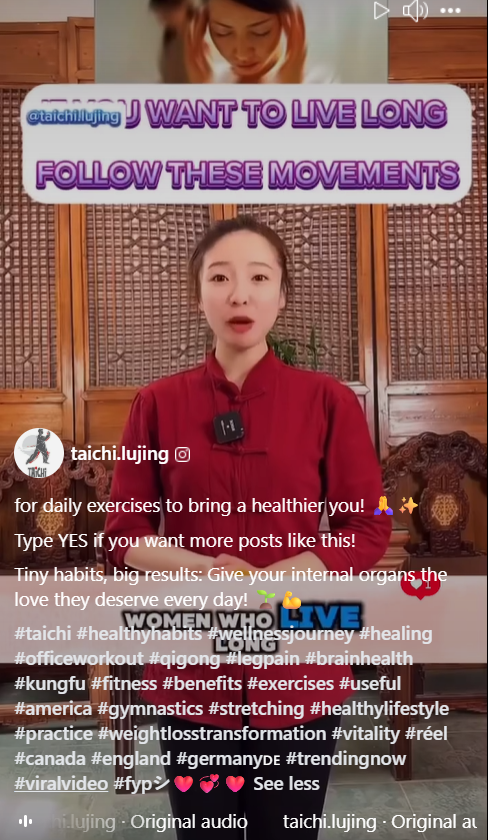
Face Exercises!
https://www.facebook.com/reel/1811727359772555
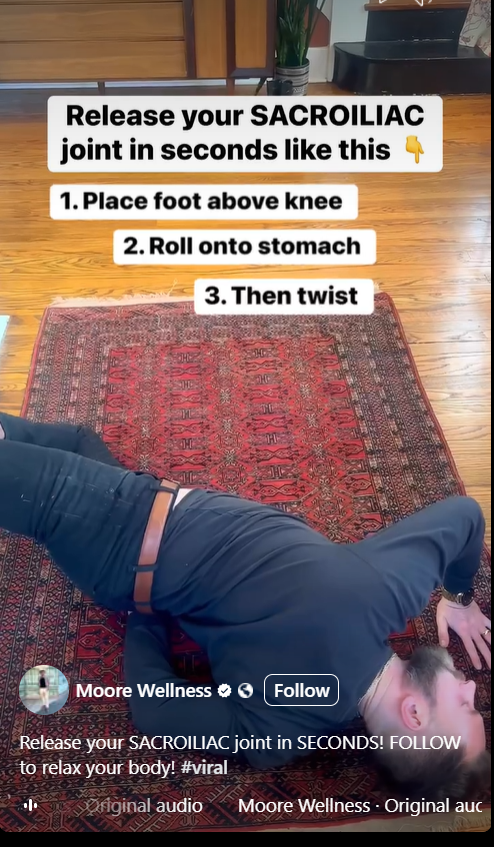
Release Your Sacroiliac
https://www.facebook.com/reel/2142670706240212
https://www.facebook.com/MooreWellnessLLC/reels/
https://www.facebook.com/reel/4015599518768745


Leave a Reply