
https://www.facebook.com/reel/1571406027184000

Toothpaste
https://www.facebook.com/reel/411950085303260

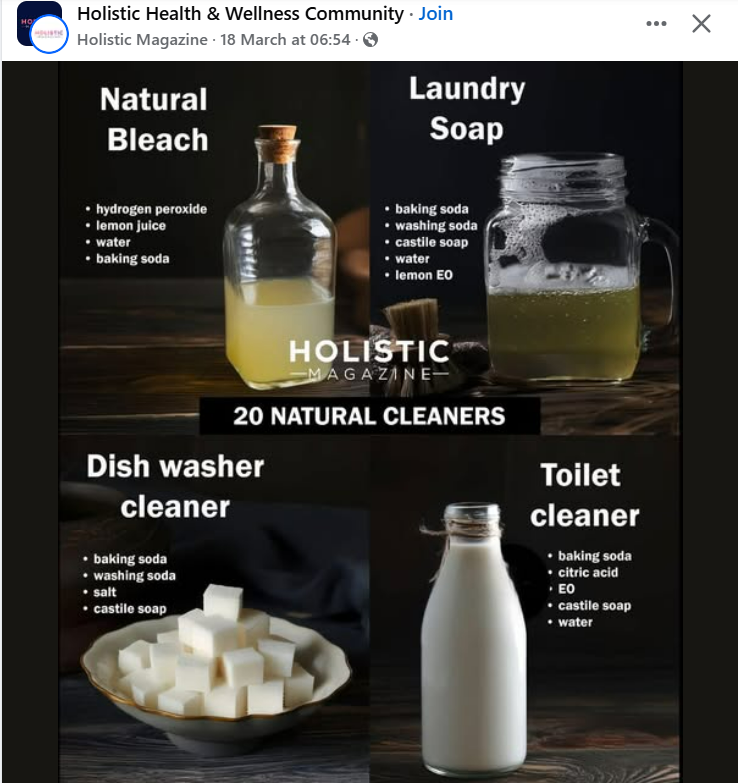
Using lemon essential oil (EO) in laundry detergent and toilet bowl cleaner can be a fantastic idea! It’s a natural way to add cleaning power and a fresh scent. Here’s a breakdown of how it can work in both applications:
1. Laundry Detergent
Lemon EO is great for laundry because it:
- Fights stains and grease: Its natural acidity helps break down oils and grime.
- Brightens whites: Lemon has natural bleaching properties (though it’s mild, so don’t expect miracles on heavily stained items).
- Leaves a fresh scent: It can help neutralize odors without synthetic fragrances.
Recipe Tip:
A simple homemade laundry detergent might include:
- 1 cup of washing soda
- 1 cup of borax
- 1 bar of grated castile soap (or soap flakes)
- 10-15 drops of lemon EO (adjust for scent preference)
Mix everything well and store in an airtight container. Use 1-2 tablespoons per load.
Caution:
- Lemon EO is generally safe for most fabrics, but it’s always a good idea to spot-test first, especially on delicate or dark-colored fabrics.
- Avoid using it with bleach, as the combination can be harsh.
2. Toilet Bowl Cleaner
Lemon EO is excellent for toilet cleaning because it:
- Cuts through grime and lime scale: Its acidity helps dissolve buildup.
- Disinfects: Lemon EO has antibacterial properties, though it’s not a substitute for stronger disinfectants like bleach.
- Leaves a fresh, clean scent: Perfect for neutralizing bathroom odors.
Recipe Tip:
A simple toilet bowl cleaner might include:
- 1/2 cup of baking soda
- 1/4 cup of vinegar
- 10 drops of lemon EO
- Optional: A few drops of dish soap for extra cleaning power
Mix the baking soda and lemon EO first, then add vinegar (it will fizz). Scrub the toilet bowl with a brush and let it sit for 10-15 minutes before flushing.
Caution:
- Avoid mixing lemon EO with bleach or ammonia, as it can create harmful fumes.
- Be mindful of the septic system if you’re using large amounts of EO or vinegar.
Final Thoughts
Lemon EO is a versatile and natural addition to both laundry detergent and toilet bowl cleaner. It’s effective, eco-friendly, and leaves a refreshing scent. Just remember to use it in moderation and test it on small areas first if you’re unsure about compatibility.
If you’d like more specific recipes or alternatives, feel free to ask! 😊
_____________________________________
Using lemon essential oil (EO) in laundry detergent and toilet bowl cleaner can be a fantastic idea! It’s a natural way to add cleaning power and a fresh scent. Here’s a breakdown of how it can work in both applications:
1. Laundry Detergent
Lemon EO is great for laundry because it:
- Fights stains and grease: Its natural acidity helps break down oils and grime.
- Brightens whites: Lemon has natural bleaching properties (though it’s mild, so don’t expect miracles on heavily stained items).
- Leaves a fresh scent: It can help neutralize odors without synthetic fragrances.
Recipe Tip:
A simple homemade laundry detergent might include:
- 1 cup of washing soda
- 1 cup of borax
- 1 bar of grated castile soap (or soap flakes)
- 10-15 drops of lemon EO (adjust for scent preference)
Mix everything well and store in an airtight container. Use 1-2 tablespoons per load.
Caution:
- Lemon EO is generally safe for most fabrics, but it’s always a good idea to spot-test first, especially on delicate or dark-colored fabrics.
- Avoid using it with bleach, as the combination can be harsh.
2. Toilet Bowl Cleaner
Lemon EO is excellent for toilet cleaning because it:
- Cuts through grime and lime scale: Its acidity helps dissolve buildup.
- Disinfects: Lemon EO has antibacterial properties, though it’s not a substitute for stronger disinfectants like bleach.
- Leaves a fresh, clean scent: Perfect for neutralizing bathroom odors.
Recipe Tip:
A simple toilet bowl cleaner might include:
- 1/2 cup of baking soda
- 1/4 cup of vinegar
- 10 drops of lemon EO
- Optional: A few drops of dish soap for extra cleaning power
Mix the baking soda and lemon EO first, then add vinegar (it will fizz). Scrub the toilet bowl with a brush and let it sit for 10-15 minutes before flushing.
Caution:
- Avoid mixing lemon EO with bleach or ammonia, as it can create harmful fumes.
- Be mindful of the septic system if you’re using large amounts of EO or vinegar.
Final Thoughts
Lemon EO is a versatile and natural addition to both laundry detergent and toilet bowl cleaner. It’s effective, eco-friendly, and leaves a refreshing scent. Just remember to use it in moderation and test it on small areas first if you’re unsure about compatibility.
If you’d like more specific recipes or alternatives, feel free to ask! 😊
____________________________________________
Great question! Washing soda (sodium carbonate) is made through a process that involves heating sodium bicarbonate (baking soda) to remove water and carbon dioxide. Here’s a detailed explanation of how it’s made, both industrially and at home:
Industrial Production of Washing Soda
Industrially, washing soda is often produced through the Solvay process, which involves the following steps:
- Limestone and Salt Reaction: Limestone (calcium carbonate) is heated to produce carbon dioxide (CO₂), which is then reacted with ammonia and salt (sodium chloride) to form sodium bicarbonate (baking soda).
- Heating Sodium Bicarbonate: The sodium bicarbonate is then heated to about 200°C (392°F), causing it to decompose into sodium carbonate (washing soda), water, and carbon dioxide. The chemical reaction looks like this:
2 NaHCO₃ (baking soda) → Na₂CO₃ (washing soda) + H₂O (water) + CO₂ (carbon dioxide)
How to Make Washing Soda at Home
If you have baking soda on hand, you can easily make washing soda at home by heating it. Here’s how:
What You’ll Need:
- Baking soda (sodium bicarbonate)
- A baking sheet
- An oven
Steps:
- Preheat the Oven: Set your oven to 400°F (200°C).
- Spread Baking Soda: Spread a thin, even layer of baking soda on a baking sheet.
- Bake for 1 Hour: Place the baking sheet in the oven and bake for about 1 hour. Stir the baking soda occasionally to ensure even heating.
- Cool and Store: Remove the baking sheet from the oven and let the washing soda cool completely. Once cooled, store it in an airtight container.
What’s Happening Chemically:
When you heat baking soda, it undergoes a chemical reaction that releases water and carbon dioxide, leaving behind sodium carbonate (washing soda):
2 NaHCO₃ → Na₂CO₃ + H₂O + CO₂
Key Differences Between Baking Soda and Washing Soda
- Baking Soda (NaHCO₃): Mildly alkaline, gentle, and safe for cooking and light cleaning.
- Washing Soda (Na₂CO₃): More alkaline and stronger, making it better for heavy-duty cleaning and laundry.
Uses for Homemade Washing Soda
Once you’ve made your washing soda, you can use it for:
- Laundry detergent: Softens water and boosts cleaning power.
- Household cleaning: Cuts through grease and grime.
- Unclogging drains: Mix with boiling water for a natural drain cleaner.
Let me know if you try making it at home or if you have more questions—I’m here to help! 😊🧼✨
_______________________________________________
 Freedom Dove
Leave a comment